Heat-Wave Watering Math: The Temperature Numbers Your Garden Can't Ignore
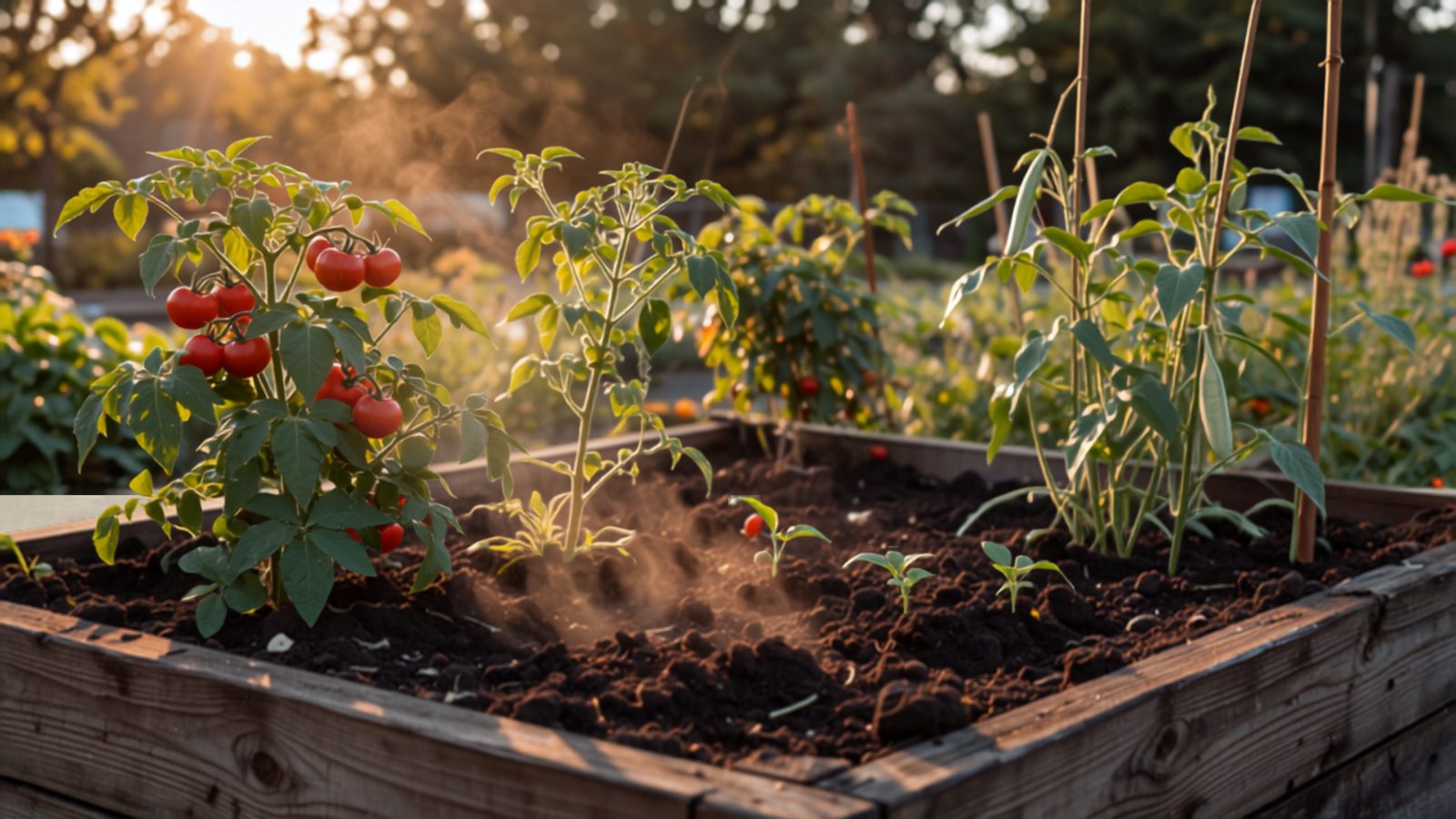
- Bean flowers abort above 95°F, cutting pod count and leaving the pods that do form thin and stunted.
- Transplanted tomatoes and cucumbers root shallow, near the surface, unlike direct-seeded plants of the same crop that grow a deep taproot.
- Cucumbers turn bitter when a 20°F-or-larger daily temperature swing combines with drought stress.
- Shallow-rooted transplants need smaller, more frequent watering, not the same deep-and-less-often schedule as taprooted crops.
A brutal heat stretch across much of the country's growing regions this month pushed University of Minnesota Extension's vegetable IPM team to publish specific temperature thresholds in their July 23, 2026 crop update — the kind of numbers that turn "it's hot, water more" into an actual adjustment you can act on. NOAA is calling for roughly normal heat and rainfall for the rest of summer, but normal still means plenty of gardens sitting somewhere on the drought spectrum, and the thresholds below apply any time a heat spell like that one shows up.
The 95°F Line for Beans
Bean flowers abort once temperatures hold above 95°F, and the pods that survive come in fewer and thinner. That's not a gradual decline, it's closer to a threshold: a garden that sees a few days at 93-94°F loses comparatively little, while the same plants at 96-97°F for the same stretch can lose a meaningful share of the flush entirely. If your forecast shows three or more consecutive days above that line during flowering, afternoon shade cloth over the bean rows during the hottest 3-4 hours does more for yield than any amount of extra water alone — the heat is aborting flowers directly, not just drying the plant out.
Why Transplants and Direct-Seeded Crops Need Different Watering Math
This is the adjustment most watering schedules miss entirely. Tomato and cucumber plants that are direct-seeded grow a deep taproot and can pull moisture from well below the surface once established. The same crops started as transplants almost never produce that taproot — they rely instead on a sprawling network of roots concentrated in the top several inches of soil. During a heat wave, that shallow zone dries out fast, often within a single hot day, while a taprooted plant nearby is still drawing on reserves several inches deeper.
The practical math: if you started your tomatoes or cucumbers as transplants (true for most home gardeners buying starts from a nursery), stop treating them the same as a direct-seeded crop on your watering calendar. Split your baseline weekly total — 1 to 1.5 inches per week under normal conditions, per the standard EPA WaterSense guidance most watering schedules are built on — into more frequent, shorter waterings rather than one or two deep soaks. A 200 square foot bed of transplanted tomatoes at the peak 1.5-inch rate (186 gallons weekly) holds up better delivered across 4-5 shorter sessions than 2, because the shallow root zone simply can't bank three days of reserve the way a taproot can.
Rebuild your schedule around root depth
Enter your plant types and current conditions into our watering schedule tool to get a frequency built for how your crops actually root, not a one-size-fits-all calendar.
Calculate your watering schedule →The 20-Degree Swing Behind Bitter Cucumbers
Cucumber bitterness isn't random. It concentrates in the plant's cucurbitacin compounds when a daily temperature swing of 20°F or more shows up alongside drought stress — a hot, dry afternoon followed by a much cooler night, repeated over several days, is exactly the pattern that triggers it. The fix isn't more water in isolation, it's steadier water. A 2-3 inch mulch layer buffers soil temperature swings directly, and consistent soil moisture (not letting the bed dry fully between waterings) removes the drought half of the equation even when the air temperature swing itself is out of your control.
Turning the Thresholds Into One Adjustment
Put together, these numbers point to a single seasonal rule worth adding to any watering plan: once your forecast shows three or more days with highs above 90°F, move to the top of your normal weekly water range, split it across more sessions if your tomatoes or cucumbers were transplanted, and add shade cloth for beans specifically once the forecast crosses 95°F. None of that requires guessing — it's the same square-footage-times-inches math already behind a standard watering schedule, just triggered earlier and split differently once the thermometer crosses these specific lines.
Source: University of Minnesota Extension — Weekly Vegetable Update, July 23, 2026, https://blog-fruit-vegetable-ipm.extension.umn.edu/2026/07/weekly-vegetable-update-july-23-2026.html
Heat waves aren't a reason to abandon a watering schedule, they're a reason to adjust the inputs. Know your crop's root depth, know the specific temperature line that stresses it, and the math you're already using just needs new numbers plugged in — not a different approach.