A Bad Garden Year Is Data: The Post-Mortem Math That Tells Weather Failures From Fixable Ones
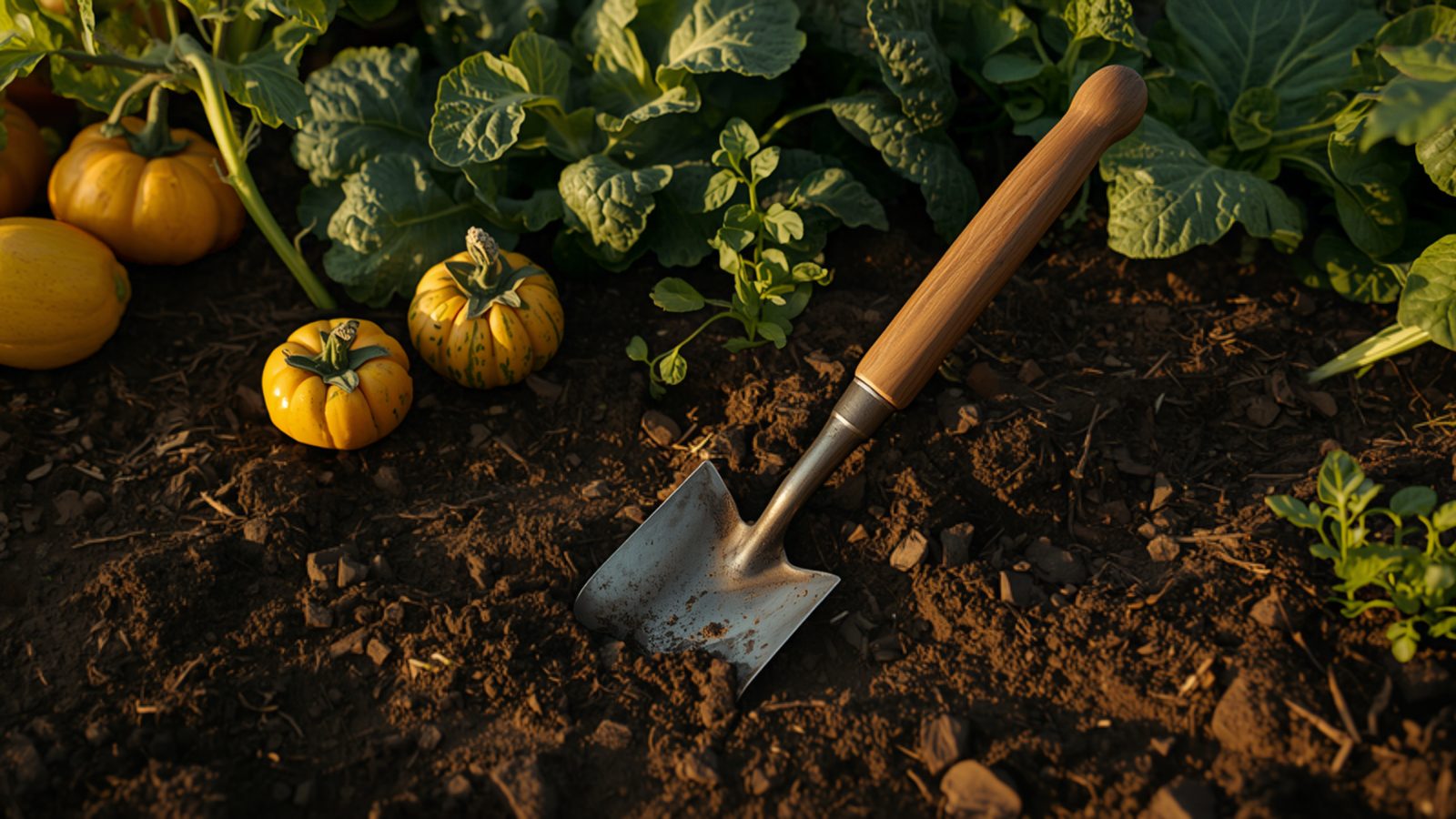
Pat Munts, who writes the gardening column for Spokane's Spokesman-Review, published a candid season wrap-up this week, and the headline is that the year was full of struggles. Cold soil rotted corn and bean seed in the spring. Transplants sat idle through most of June. Then came weeks of high-80s heat, and wildfire smoke dimmed the light enough that, in her words, plants quit growing and blooming. It is a familiar kind of year, and the natural reaction is to shrug it off as bad luck. The better move is to treat it as a data set, because a failed season contains a surprising number of decisions you can still make before the ground freezes.
Step One: Sort the Failures Into Three Buckets
Not every loss deserves the same response, and lumping them together is how gardeners end up either over-correcting or learning nothing. Column the season's problems into three buckets. The first is weather you could not have changed: the heat, the smoke, the drought. The second is timing errors you could have changed, such as sowing into soil that had not warmed. The third is carryover, meaning problems that will follow you into next year unless you act now. The Spokane column touches all three, which makes it a useful template. Only the second and third buckets are worth spending winter effort on, so the whole exercise is really about shrinking the first bucket to its honest size.
The Correlation Test: Was It the Weather or Was It You?
Here is the diagnostic that does the most work. If nearly every crop underperformed by a similar margin, the cause was probably shared, and weather is the prime suspect. If one crop collapsed while its neighbors did fine, the cause was probably specific to that crop, its variety, its spot, or its timing. Put rough numbers on it. Say you compare each crop's harvest to your own typical result and score it as a percentage. Tomatoes at 45 percent, peppers at 50, squash at 40, and beans at 55 tell you the season, not your technique, took a bite out of everything warm-season. Now imagine kale at 100 percent and carrots at 95. That spread is the signature of heat and smoke hitting warm-season crops that were dropping blooms, while cool-season crops shrugged it off. If instead one bed underperformed while an identical crop a few feet away thrived, look at that bed's soil, drainage, or light before blaming the sky.
The Real Cost of Sowing Too Early
The column's cold-soil losses are the most avoidable item on the list, and the arithmetic is worth doing. Take a 10-foot row of beans sown 3 inches apart, which is 40 seeds. Suppose a cold, wet stretch rots most of them and you replant. The seed cost is small, perhaps a couple of dollars. The delay is the real bill. If you sowed on May 10 and only got a viable stand by May 31, you lost 21 days off a crop that needs roughly 55 days to reach harvest, so your first pick moves from early July to late July. That is the same 21 days you would have needed to wait for warmer soil in the first place, which means the early sowing gained nothing and cost you seed, labor, and a second shot at the same weather risk. A cheap soil thermometer pays for itself the first time it keeps you from that trade. Commonly cited guidance puts beans at a soil temperature of around 60°F or warmer, so if the reading at planting depth is below that, waiting a week is usually not a delay at all. It is simply the same date, reached without the rot.
Rebuild Next Year's Seed Order From This Year's Losses
Once you know which crops failed for fixable reasons, the next step is sizing the order. The Seed Calculator turns bed size and germination rate into a seed count, with a buffer for a bad start.
Plan your seed order →Stocking up? Shop gardening supplies on Amazon →As an Amazon Associate, we earn from qualifying purchases.
Carryover: The Squash Bug Math
The third bucket is where fall work has the highest return. Munts notes that the lack of a truly cold winter failed to knock back overwintering insects, with squash bugs especially bad, and she recommends cleaning up debris and skipping squash next season. University extension guidance backs the underlying biology: squash bugs overwinter as adults sheltering under plant debris, and milder winters let a larger share of them survive. Extension sources also flag a limit worth remembering, which is that adult squash bugs fly well, so rotation alone is unlikely to control them.
That suggests a simple cost comparison. Suppose you grow three squash plants that would give you about 30 pounds of fruit. Skipping squash for a season forfeits all 30 pounds for certain. Cleaning up the bed, composting the vines hot, and removing hiding places takes perhaps half an hour and forfeits nothing, but it only removes shelter rather than the bugs themselves. The sensible plan is usually the cheap step first: clear the debris this fall, move squash as far as your layout allows from this year's spot, and keep a fallback of skipping squash entirely only if the pressure is severe. If you have four beds and rotate the cucurbits through them, squash returns to any one bed only every fourth year, which spaces out exposure to leftover pests in that soil even though it will not stop a flying adult from finding the plants.
Keep One Number Per Crop, and Keep It Every Year
Everything above gets easier with a record. A single line per crop each season is enough: bed area in square feet, pounds harvested, and one sentence about what went wrong. Divide pounds by square feet and you have yield per square foot, a figure you can compare against your own past years instead of guessing. After two or three seasons, a 40 percent year stops being a mystery and becomes a plotted point, and the correlation test above turns from a rough impression into a real answer. Without it, every bad year feels unique. With it, you can see that the same crop fell short in the same month three years running, which is a scheduling problem rather than bad luck.
Source: The Spokesman-Review — Pat Munts, "Gardening: This year's growing season was full of struggles," September 17, 2026, https://www.spokesman.com/stories/2026/sep/17/gardening-this-years-growing-season-was-full-of-st/. Squash bug biology: Oklahoma State University Extension fact sheet HLA-6040, https://extension.okstate.edu/fact-sheets/hla-6040-how-to-identify-and-managing-squash-bugs, and Colorado State University Agricultural Biology, https://agsci.colostate.edu/agbio/ipm-pests/squash-bugs-2/. Worked examples on this page are illustrative, not measurements from the column.
Quick Recap
- Sort every loss into weather you could not control, timing errors, or carryover. Only the last two are worth winter effort.
- If every crop dropped by a similar percentage, blame the season. If one crop or bed fell alone, look at that crop's timing and spot.
- Early sowing into cold soil rarely gains time: a 21-day replant delay on a 55-day bean erases the head start and adds seed cost.
- Clear squash debris this fall, since adults overwinter under it and mild winters raise survival, but remember rotation alone will not stop strong fliers.
- Log bed area, pounds, and one note per crop each year so yield per square foot gives you a baseline to judge next season against.
A rough season stings, but the spreadsheet version of it is useful: a short list of things weather did to you and a shorter list of things you can change. Spend the fall on the second list and let the first one go.
Gearing up for your next project? Browse gardening tools & supplies on Amazon →As an Amazon Associate, we earn from qualifying purchases. Opens on Amazon.com in a new tab.